

Jaundice (hyperbillrubinemia) causes your baby's skin and eyeballs to turn a yellow tinge particularly in the first week or two, and can be more common in bresatfed babies.
Before babies are born, they need high levels of red blood cells in order to get oxygen from their mother’s blood. Immediately after birth, when they begin breathing, they no longer need foetal haemoglobin.
These red blood cells which contain foetal haemoglobin then need to be broken down and excreted from the body. Billrubin, a yellow pigment, is a by-product of the breakdown of these extra cells and is removed from the bloodstream by the liver and excreted in the stool.
A newborn’s liver is not fully developed and is therefore unable to dispose of billrubin quickly, and so the excess yellow pigment can then sometimes be deposited in the eyeballs and skin of the newborn.
Once your newborn’s liver matures and the amount of red blood cells reduces, the jaundice will subside. This usually occurs within a week or two without causing any harm.
There are three main types of jaundice:
1. Physiologic jaundice: This is the most common type of jaundice and affects the majority of newborns. It is also more likely to occur in babies who suffer stress from a difficult birth or babies who are born to a diabetic mother.
2. Pathologic jaundice: Caused by medical conditions, blood type incompatibilities, infection, and liver damage from rubella and toxoplasmosis or metabolic problems such as hypothyroidism.
3. Late onset (breastmilk jaundice): Thought to be caused by a certain factor in breastmilk that seems to delay or prolong the excretion of excess billrubin. It appears after the first week of birth and tends to run in families.
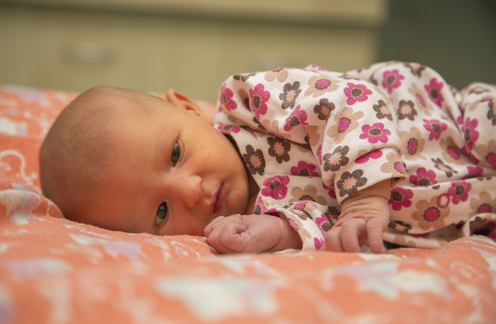
Breastmilk jaundice
Billrubin levels tend to be higher in breastfed babies than in formula fed infants. This is believed to be due to a factor in breastmilk that promotes a higher level of billrubin being absorbed in the intestine rather than in the liver. It is important to note that in most cases it is not necessary to treat jaundice when billrubin levels are below 20mgs.
Breastmilk jaundice is diagnosed when:
- Your baby is more than one week old
- Gaining weight well
- Having plenty bowel movements
- Passing clear plentiful urine
- Generally in good health
This type of jaundice is rare and the diagnosis is usually made in healthy, thriving infants when all other causes of jaundice have been ruled out. It is not fully known why this type of jaundice occurs and it is rarely, if ever, a good idea to discontinue breastfeeding even for a short time. There is no evidence to suggest that this form of jaundice is harmful, so if your exclusively breastfed baby is gaining weight and in generally good health you should almost always continue nursing.
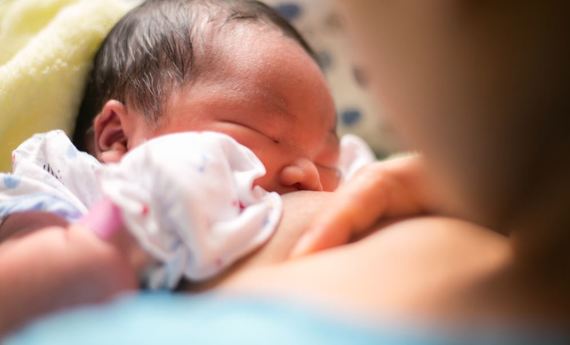
It is also possible for jaundice to occur because the baby is not getting enough milk. This may be due to the fact that the mother’s milk takes longer to come in or because the baby is poorly latched on and can’t get enough milk. If your baby is not getting enough milk then bowel movements will tend to be infrequent. Getting breastfeeding started correctly is the best way to prevent this form of jaundice.
Your baby’s G.P. or paediatrician will be able to offer advice on jaundice and answer any queries you may have.
SHARE to spread awareness.