
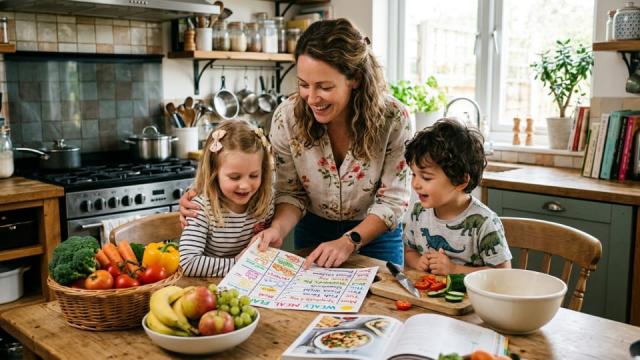
Summer sounds lovely in theory — long evenings, no school runs, a slower pace. But for most parents, the reality is a little different. The kids are home, schedules are all over the place, everyone's hungry at different times, and somehow you're still expected to get a decent meal on the table every single day. Sound familiar?
If you're finding the summer weeks a bit relentless on the food front, you're absolutely not alone. Many parents find this time of year one of the trickiest for keeping meals organised — especially without the structure that the school term brings. The good news is that a little bit of planning can go a very long way, without turning mealtimes into a second job.
Here's a simple, friendly guide to help you get ahead of the chaos — one that works with real family life, not against it.
Start With a Flexible Weekly Template (Not a Rigid Plan)
The word "meal plan" can feel a bit daunting, like you need a colour-coded spreadsheet and military precision. But it doesn't have to be like that at all. A loose weekly template — rather than a strict day-by-day plan — gives you just enough structure to feel in control without boxing you in.
Think of it as assigning a loose theme to each evening rather than a specific dish. Something like:
Monday: Pasta night
Tuesday: Something from the freezer or batch cook
Wednesday: Wraps, tacos, or fajitas
Thursday: Easy traybake or one-pot meal
Friday: Fakeaway night (homemade pizza, burgers, or fish and chips)
Weekend: More relaxed — barbecue, brunch, or a big family meal
This kind of flexible framework means you always have a rough direction without feeling locked in. If Wednesday's wraps become Thursday's dinner because you had a busy day out — no bother at all. The template moves with you.
Batch Cook on Your Quieter Evenings
Summer weeks often have a natural rhythm — some days are manic, others are a little more relaxed. If you can spot those quieter evenings in advance, they're gold. A couple of hours on a Sunday evening or a calm Tuesday night can set you up brilliantly for the rest of the week.
You don't need to cook everything from scratch — even doubling one recipe makes a difference. A big pot of bolognese sauce, a tray of roasted vegetables, a batch of homemade burgers for the freezer, or a large pot of soup can become the backbone of several meals. Think of it less as "meal prepping" and more as just cooking a bit extra while you're already standing at the hob.

A few batch cook staples that work really well in summer:
A big tomato-based pasta sauce (works for pasta, pizza bases, or shakshuka)
Marinated chicken pieces (grill, bake, or use in wraps all week)
Homemade veggie soup (great for lunches when the kids are home)
A large pot of rice or grains (store in the fridge and use across 2–3 days)
Homemade flapjacks or muffins for snacks
Even just one or two of these in your fridge or freezer on a Sunday evening will take a surprising amount of pressure off the week ahead.
Make the Most of Simple Summer Ingredients
Summer here brings some really lovely seasonal produce, and leaning into what's fresh, simple, and in-season can actually make meal planning much easier. You don't need fancy recipes or long ingredient lists when the food itself is at its best.
Think new potatoes, courgettes, corn on the cob, salad leaves, strawberries, tomatoes, and fresh herbs from a windowsill pot. These kinds of ingredients work beautifully in quick, unfussy meals that children actually enjoy — think simple salads with crusty bread, a big bowl of pasta with cherry tomatoes and basil, or grilled corn alongside some chicken off the barbecue.
Keeping a handful of reliable summer staples in the house — eggs, pasta, tinned tomatoes, frozen peas, a block of good cheddar, wraps, and a few sauces — means you can always pull together something decent even when the fridge looks bare. Think of these as your "emergency meal" ingredients and stock them consistently.
Get the Kids Involved in the Plan
One of the most underrated meal planning tricks for summer? Letting the kids help decide what's for dinner. It sounds small, but it genuinely makes a difference — children are far less likely to turn their noses up at a meal they had a hand in choosing (or making).
You could try a simple Saturday routine of sitting down together and letting each child pick one dinner for the coming week. Keep it realistic — give them a few options to choose from rather than an open-ended question, which can lead to "chicken nuggets every night, please." Something like: "Would you rather have tacos or homemade pizza on Friday?" works a treat.
Getting children involved in the actual cooking is also a brilliant summer activity in itself. Simple jobs like washing vegetables, stirring sauces, rolling out dough, or assembling their own wraps give kids a sense of ownership over the meal — and it buys you a few minutes of kitchen help while they're at it. Many parents find their children are noticeably more willing to try new foods when they've been part of making them.
Keep a Well-Stocked Summer Press and Fridge
A good meal plan will only get you so far if the cupboards are bare. One of the simplest things you can do for busy summer weeks is to keep a core set of staples topped up consistently — so that even on the days when nothing goes to plan, you've got the building blocks of a decent meal.
Here's a handy summer press and fridge checklist to keep on hand:
In the press:
Pasta, rice, and noodles
Tinned tomatoes, chickpeas, and lentils
Coconut milk (great for quick curries)
Wraps, flatbreads, and pitta
Stock cubes and a few good sauces
Porridge oats and cereals
Olive oil, soy sauce, and balsamic vinegar
In the fridge and freezer:
Eggs
Cheddar cheese and natural yoghurt
Frozen peas, sweetcorn, and mixed veg
Frozen fish fillets or chicken breasts
Butter and a few fresh herbs
Milk and a carton of orange juice
With these basics in place, you're always just a few steps away from an omelette, a pasta dish, a quick soup, or a stir-fry — and that kind of safety net is worth its weight in gold during the summer holidays.
Give Yourself Permission to Keep It Simple
Perhaps the most important meal planning tip of all: please don't put pressure on yourself to produce restaurant-quality dinners every night of the summer. Nobody expects that — least of all your children, who would probably be perfectly happy with beans on toast if it was served with a bit of love and a side of company.
Some evenings, dinner is going to be scrambled eggs and buttered bread. Some days, it'll be a picnic in the garden with bits and pieces from the fridge. That is completely fine. The goal of meal planning isn't perfection — it's simply to reduce the daily stress of "what are we having?" so you can spend more of your summer actually enjoying it with your family.
A bit of structure, a stocked press, and a flexible mindset will carry you a long way. You've got this.