
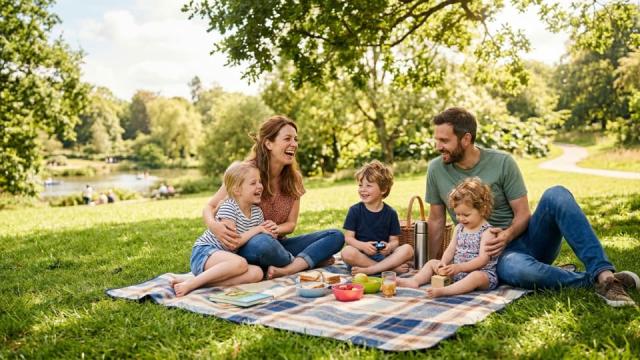
Every summer, it starts with the best of intentions. You make a mental list — beach trips, day outings, maybe a staycation, the zoo, a few playdates. And then somewhere around the third week of July, you realise you're more exhausted than you were during the school term. Sound familiar?
If you've ever arrived home from a "fun day out" feeling completely wrung out, or felt a quiet guilt settling in on a rainy Wednesday when the kids are just... at home, you're far from alone. Many Irish parents feel an unspoken pressure to make summer count — to fill it, photograph it, and come out the other side with a highlight reel worth remembering.
But here's a thought worth sitting with: what if a slower summer was actually a better one? Not just for you, but for your children too.
The Case for Doing Less (and Why It's Good for Kids)
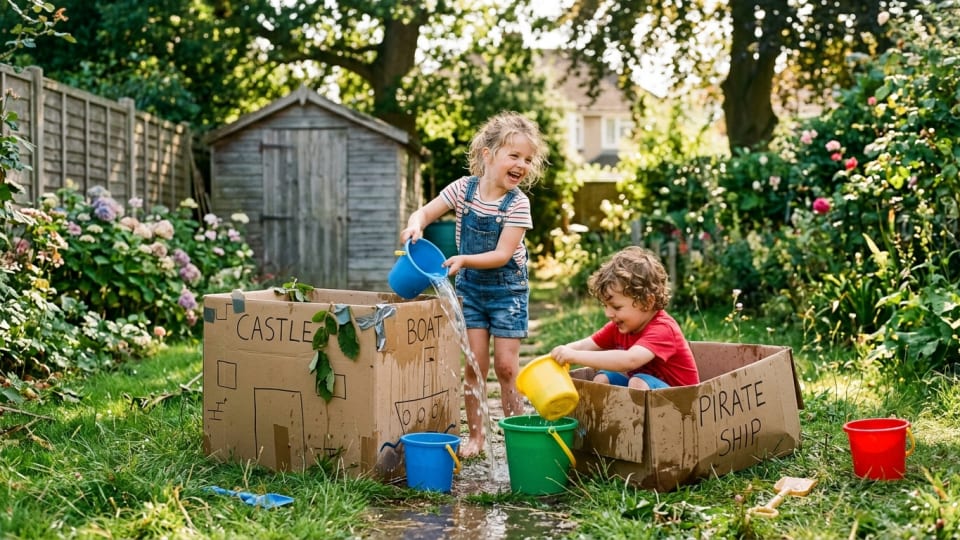
Child development research consistently points to something that might feel counterintuitive: children thrive when they have unstructured time. When every hour isn't scheduled, kids learn to entertain themselves, to be creative, to navigate boredom — and to come out the other side of it with something they've made up themselves, whether that's a game, a story, or an afternoon spent building something out of cardboard boxes and string.
Unstructured play builds problem-solving skills, independence, and emotional resilience. It gives children the space to follow their own curiosity rather than being guided through an experience designed by an adult. Summer is one of the few times in the year where that kind of open, unhurried time is genuinely possible.
There's also something to be said for the slower pace being good for the whole family's mental health. Constant activity — even enjoyable activity — is tiring. Children pick up on parental stress, and a harried, rushing parent can undo the joy of even the best day out. A calm morning at home, with nowhere to be and nothing to prove, can be more nourishing than you'd expect.
Letting Go of the "Doing Enough" Guilt
Let's be honest about the guilt, because it's real and it's worth naming. Many mams quietly measure themselves against an invisible standard — a neighbour who seems to have a different activity every day, an Instagram feed full of sun-soaked adventures, the sense that your children will somehow miss out if you don't deliver a packed, memorable summer.
The truth is, children don't experience their childhood the way we sometimes fear they do. They're not keeping score. What they remember, more often than not, is how they felt — safe, unhurried, close to you. A lazy afternoon eating ice cream in the back garden or a slow walk down to the local park where they got to splash in every puddle can leave just as strong a memory as a big day trip.
Give yourself permission to set the bar at "enjoyable and manageable" rather than "impressive." That small shift in expectation can change everything about how the summer feels.
Simple, Local Ideas That Don't Require a Big Budget or Big Plans
A slower summer doesn't mean a boring one. It just means leaning into what's close, easy, and low-pressure. Here are some ideas that work beautifully without requiring much in the way of planning or spending:
The local beach or lake: Pack a bag the night before so there's no morning scramble. Bring snacks, a bucket, and no agenda. Let the kids lead.
Library summer programmes: Most libraries across Ireland run free summer reading and activity programmes for children. They're low-key, local, and genuinely loved by kids.
Farm walks and nature trails: Ireland is full of them, many of them free or very affordable. A simple walk where children can look for bugs, pick blackberries, or spot animals is plenty.
The park with a picnic: It sounds almost too simple, but a picnic — even just sandwiches and juice — instantly transforms an ordinary outing into something that feels special to children.
Rainy day baking or crafting at home: Keep a small box of craft supplies and a couple of easy baking ingredients on hand. A rainy morning making biscuits or painting rocks is a morning well spent.
A neighbourhood scavenger hunt: Write a simple list of things to find on a walk — a red door, a flower, something smooth, something that makes a sound — and let the kids take it from there.
How to Set a Relaxed Summer Rhythm
One thing that helps many families is having a loose rhythm rather than a rigid schedule. Children feel more settled when they have a general sense of what the day holds, but that doesn't mean every hour needs to be accounted for.
A simple summer rhythm might look something like: a calm morning with breakfast and some free play, one activity or outing mid-morning or after lunch, a quiet rest or reading time in the afternoon, and easy evenings at home. That's it. Within that frame, there's room for spontaneity — a neighbour calling to play, a walk to the shop for ice cream, an afternoon that takes a completely unexpected turn.
If you're juggling work from home or a mix of childcare and parenting through the summer, a rhythm also helps you plan in a way that's sustainable. Knowing that Tuesdays are library days and Fridays are beach days (weather permitting) takes the daily mental load of "what are we doing today?" completely off the table.
Letting Kids Be Bored — and Why It's Worth It
There will be moments when your children announce, loudly and with great feeling, that they are bored. This is not a parenting failure. It is, in fact, a gift in disguise.
Boredom is the doorway to creativity. It's in the space of having nothing to do that children start to invent things. They build dens. They make up games. They dig out the art supplies. They start telling each other stories. If you can sit with the discomfort of hearing "I'm bored" — and resist the urge to immediately fix it — you'll often find that within twenty minutes, something wonderful has appeared.
A gentle "I wonder what you could come up with" is often all the nudge they need.
A Final Word for Tired Mams Everywhere
You don't have to earn a great summer through relentless effort. The best summers are often the ones with the most breathing room — the ones where something unexpected and lovely happens on an ordinary Tuesday because nobody was rushing anywhere.
Give yourself and your children the gift of slowness this year. It costs nothing, requires no booking in advance, and might just be the most memorable summer yet.