
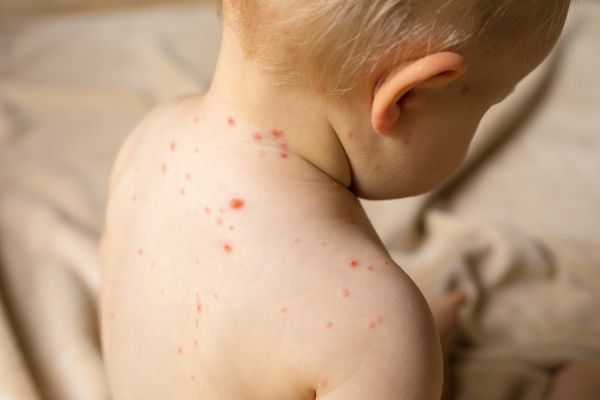
The United Kingdom is on the verge of experiencing a measles outbreak with nearly 100 cases being diagnosed as of late. The HSE has now confirmed that the infection is affecting children here in Ireland.
The confirmed case of the measles is in Limerick. They released a statement this afternoon urging parents to get their children vaccinated against the measles.
The disease is highly contagious as it is airborne, and you can catch it by coming into physical contact with someone who has the measles or being near someone who has measles when they sneeze.
“As a precaution, the HSE is writing to all patients identified as being at risk of exposure advising them that they may be at risk of infection,” they told the Independent.
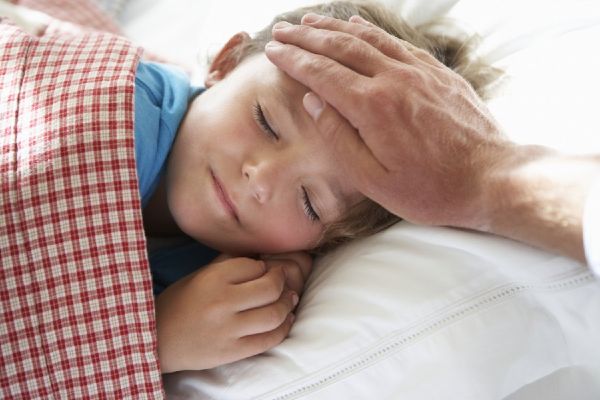
The disease can affect anyone, but children are one of the high-risk groups. Being aware of the symptoms can help parents treat the disease efficiently.
So, what are the symptoms of the measles?
- Cold-like symptoms including a runny nose, sneezing, dry cough and sore eyes.
- A mild to a severe temperature which may last for several days.
- Small white/grey spots in the mouth and throat.
- Lack of energy and fatigue.
- Lack of appetite.
- A red-brown spotty rash which appears two to four days after the initial symptoms occur. The rash can last for up to eight days and usually starts at the top of the head and works its way down the body.
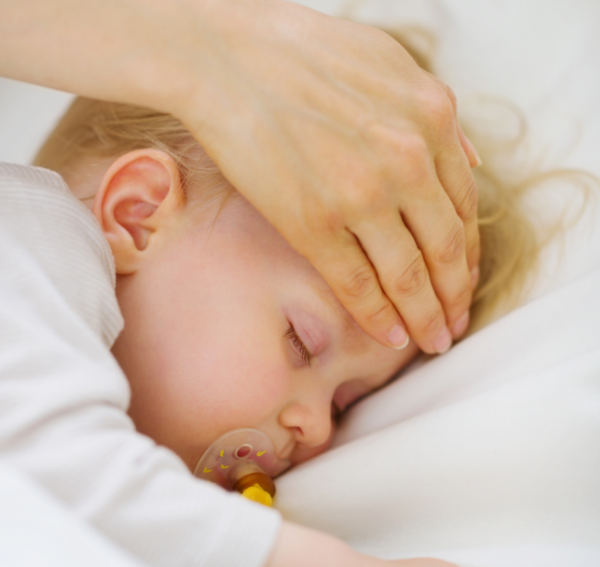
Getting the MMR vaccine is necessary, as the infection can cause serious complications including pneumonia, breathing problems and eye infections- but these complications only ever occur in one of 1,000 cases.
The HSE also stressed the importance of mums getting vaccinated as measles can cause miscarriage or early labour.
The MMR will protect you and your children from mumps, measles and rubella. It’s important to know that those who are not vaccinated are at a higher risk of being infected.