
Sponsored by Doublebase Emollient Gel.
Eczema can cause extreme upset and irritability for any child, so knowing how to manage it is key.
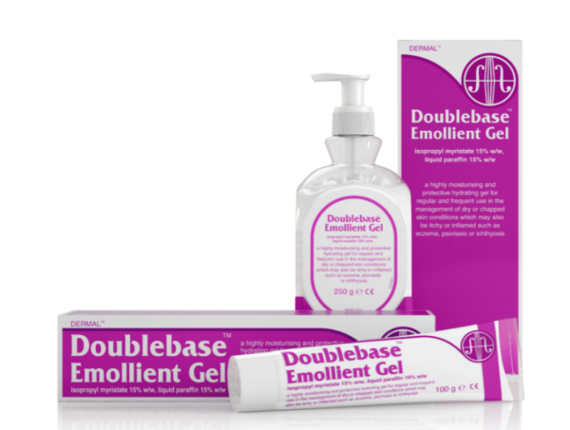
Using an emollient (a medical moisturiser) as often as possible will help to hydrate and soften the skin and to restore the skin’s barrier. Keeping the skin in good condition can help increase the time between eczema flare-ups. Doublebase Emollient Gel is one to have on hand. Doublebase Emollient Gel is a highly moisturising and protective emollient which is clinically proven to help soften, moisturise and protect dry skin and conditions such as eczema. It is available in a 250g easy-to-use pump dispenser and a handy 100g tube for on the go. It’s available to purchase by self-selection from pharmacies.
You should continue to use emollients even when the skin looks and feels ‘normal’. The more you use them, the better condition the skin will be.
If your little one has eczema there are things you will want to avoid, like scratching the skin as this can cause long-lasting damage and can make the itch worse. Using an emollient in this instance will help reduce the terrible itching. You should also avoid vigorously rubbing emollients into your skin, apply it gently and smooth it onto dry skin. Use gentle strokes in the same direction as hair growth as this will help avoid blocking hair follicles. To watch an animation video on how to apply an emollient correctly, click here.
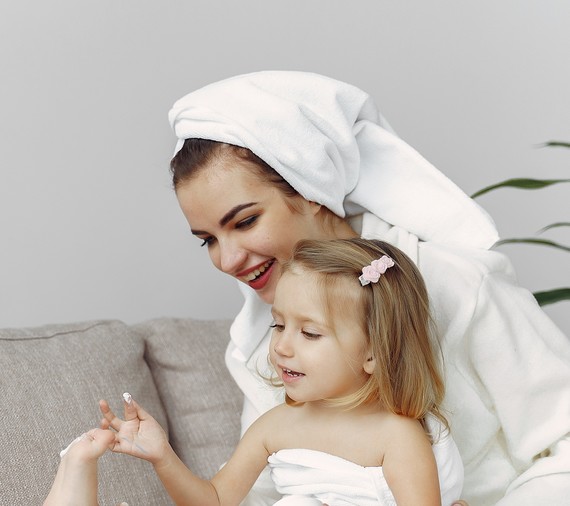
Make sure to let the emollient sink into the skin. The best time to apply it is after a bath or shower, giving extra attention to exposed areas like the neck, hands and face.
There are other things you can do to help increase the time between flares, especially in your home.
- Don’t leave the central heating on for too long or on too high. If you do have the heating on then using a humidifier will help make the air less dry.
- Use a damp cloth when dusting, and vacuum carpets regularly as dust can irritate the skin.
- When it comes to bedding, it is important to use covers on duvets, pillows and mattresses and avoid feathers as this can irritate your child’s skin.
Being aware of your child’s triggers and knowing how to manage the condition will make life just that little bit easier.
If you are concerned about your child’s or your own skin, speak with your doctor, nurse or pharmacist for advice.