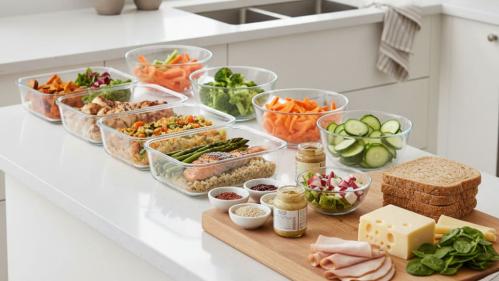
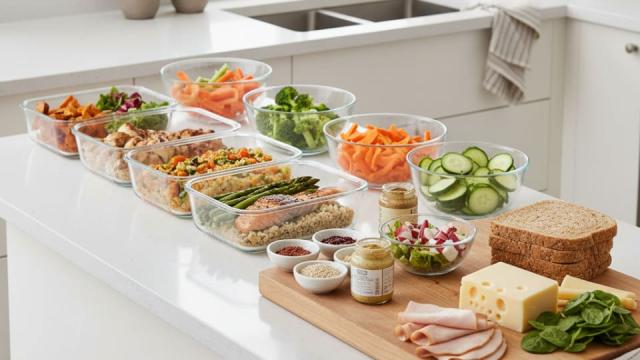
Try washing and chopping vegetables, portioning out snacks into small containers, or even making a week's worth of sandwiches (they freeze beautifully). Pre-cooked items like hard-boiled eggs, mini muffins, or homemade energy balls can be made in batches and stored for easy grabbing.
If full meal prep feels overwhelming, start small. Even just having fruit washed and snacks portioned can make morning assembly much smoother.
Budget-friendly nutrition that works
Healthy school lunches don't need to break the bank. Some of the most nutritious options are also the most economical – think bananas, carrots, eggs, and wholemeal bread.
Seasonal fruit and vegetables are typically cheaper and fresher. A bag of apples or oranges can provide snacks for the entire week, while frozen vegetables can be added to pasta salads or used in homemade muffins for extra nutrition without the premium price.
Consider making your own versions of expensive packaged snacks. Homemade trail mix, energy balls made with oats and peanut butter, or simple vegetable muffins can be more nutritious and cost-effective than shop-bought alternatives.
Working with picky eaters
If you're dealing with a particularly selective eater, the key is gradual exposure without pressure. Include one familiar food they enjoy alongside something new or less preferred. This ensures they won't go hungry while gently expanding their palate.
Sometimes presentation makes all the difference. Cut sandwiches into fun shapes, use colourful containers, or let them choose between two healthy options. Small changes can make familiar foods feel more appealing.
Avoid turning lunch into a negotiation. Pack what you know they'll eat most days, with gentle introductions of new foods when you're feeling patient and they're in a good mood.
Getting the kids involved
Children are much more likely to eat lunches they've helped create. Even young children can wash fruit, choose between healthy options, or help assemble their own sandwiches.

Weekend grocery shopping can become an opportunity to let them pick new fruits to try or choose which vegetables to include in next week's lunches. When they have some ownership over their meals, there's less resistance at lunchtime.
For older children, teaching them to pack their own lunches (with guidance) can be both practical and empowering. Start by doing it together, then gradually hand over responsibility as they become more confident.
Simple swaps that make a difference
Small changes can significantly improve the nutritional value of packed lunches without dramatically altering what your child is used to eating. Try wholemeal bread instead of white, or add sliced cucumber or tomato to sandwiches for extra vegetables.
Replace sugary drinks with water and a piece of fruit. The fruit provides natural sweetness along with fibre and vitamins, while water keeps them properly hydrated for learning.
Instead of processed snacks, try homemade alternatives like banana bread, oat biscuits, or simply some nuts and dried fruit if your school allows them.
Dealing with school policies
Many schools have specific policies around nuts, sweets, or certain foods. Rather than seeing these as restrictions, use them as guidelines to create a framework for healthy choices.
If nuts are banned, seeds like sunflower or pumpkin seeds can provide similar nutrition. If sweets aren't allowed, focus on naturally sweet options like dates, grapes, or homemade bakes sweetened with fruit.
Keep a copy of your school's food policy handy when meal planning to avoid any disappointed children or awkward conversations with teachers.
Making it sustainable
The most important aspect of any lunch routine is that it works for your family long-term. This means finding a balance between nutrition, practicality, and your available time and energy.
Some days, a simple sandwich, piece of fruit, and water is absolutely fine. Perfect is the enemy of good, and consistency matters more than complexity.
Remember that school lunch is just one meal in your child's day. If they eat a balanced breakfast and dinner, a less-than-perfect lunch won't derail their nutrition. Give yourself permission to do your best with the time and resources you have.
Creating stress-free school lunches is really about finding what works for your family and sticking with it. Start small, be patient with the process, and remember that every small positive change is worth celebrating. Your efforts to nourish your child, even on the busy mornings when it feels chaotic, are making a real difference to their day.