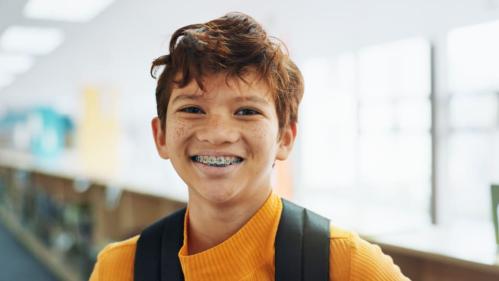
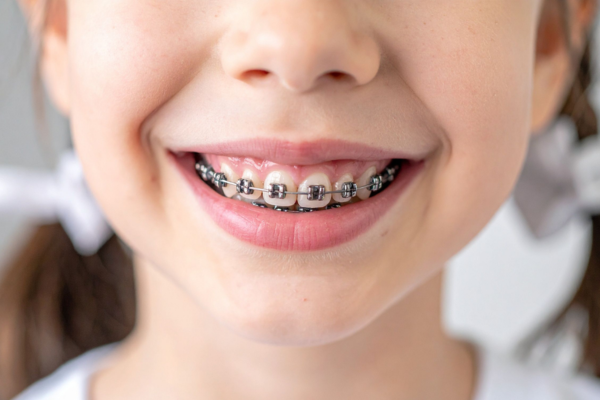
Braces not only straighten teeth but can also help to correct bite issues, guide jaw growth, and prevent long-term dental problems. Although every smile is different, there are some telltale signs that indicate your child might benefit from orthodontic treatment.
“Tooth and jaw issues are often inherited, so if you or someone in your family needed braces, it is possible that your kids will too, says Dr Gina Kilfeather, group orthodontic advisor at Dental Care Ireland. “If there is not enough room in the jaws for the child’s adult teeth, they become crowded or crooked. Difficulties can also arise from losing baby teeth too soon, habits like thumb - sucking, or as a result of accidents.”
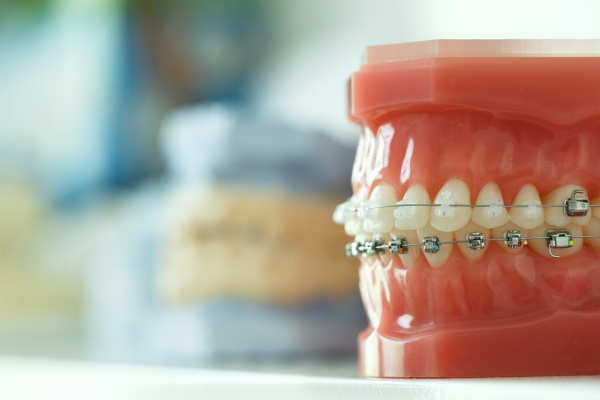
Five Signs Your Child May Need Braces:
1. Irregular, delayed or early loss of baby teeth
When a baby tooth falls out prematurely or is lost to decay, other teeth can tilt into the empty spaces, causing delay in eruption of the adult tooth underneath. Your family dentist will monitor the development of your child’s teeth and can detect if there is a deviation from the normal sequence of tooth eruption.
2. Crowded or misplaced teeth
Crowding occurs when there is insufficient space in the jaws to accommodate all the adult teeth. It may manifest itself as teeth erupting in an incorrect position or else failing to erupt at the appropriate time. Correcting crowded teeth will not only improve the appearance of your child’s smile but can also make the teeth easier to keep clean.
3. Difficulty in chewing or biting
If your child regularly struggles to bite or chew food, it could be due to misaligned teeth or jaw positioning. You may notice that they avoid certain foods due to difficulty biting and chewing or complain of jaw pain when eating. Left untreated, this can lead to discomfort or wear on teeth and can sometimes impact nutrition.
4. Jaws that shift or make sounds
Any noticeable shift or sound from the jaw when your child opens and closes their mouth could indicate alignment issues or stress on the jaw joints, which can often be corrected through orthodontic treatment. In addition to audible noises, your child’s jaw may appear to shift from side to side when they chew or talk, and they might experience jaw fatigue or soreness.
5. Teeth that meet abnormally or not at all
If the teeth on the upper and lower jaw don’t touch when your child bites down, or they come together in an atypical way such as an overjet or underbite, it may be time for an orthodontic assessment. An overjet, for example, can often result from habits such as prolonged thumb-sucking, and places the front teeth at higher risk of fracture in the case of a fall or sports-related injury.
Your family dentist will help you determine the best time for orthodontic evaluation. Starting the process early may not mean braces are needed right away but allows the orthodontist to identify any issues before complications arise.
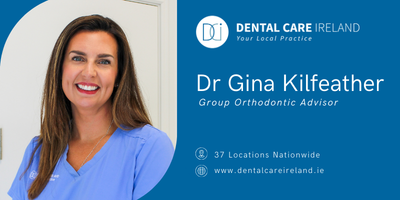
Dr Gina Kilfeather is group orthodontic advisor at Dental Care Ireland, an Irish-owned network of 37 established dental practices nationwide.
For further information, visit www.dentalcareireland.ie