If you're drowning in a sea of plastic toys, broken crayons, and puzzle pieces that seem to multiply overnight, you're not alone. Many parents find themselves battling toy overwhelm while dreading the inevitable meltdown that comes with suggesting a clear-out.
The good news? Decluttering your child's toys doesn't have to end in tears – theirs or yours. With the right approach and a bit of strategy, you can create a calmer, more organised play space that actually works for your family.
Start small and involve your child
Rather than tackling the entire playroom in one go, begin with just one category of toys. Perhaps start with books or soft toys – something less overwhelming for both of you.
Make your child your partner in the process, not the victim of it. Explain that you're going to help toys find better homes and make more space for playing. Use language like "Let's see which toys are ready for new adventures" rather than "We need to get rid of things."
Create three simple piles: Keep, Maybe, and New Home. Let your child make the initial decisions, and you can gently guide them towards the maybe pile for items they're unsure about.
Time it right
Timing is everything when it comes to avoiding meltdowns. Choose moments when your child is well-rested and fed – never attempt this when they're tired or cranky.
Some parents find success doing a quick pre-sort when children are at school or napping, removing obviously broken items or toys that haven't been touched in months. However, always involve them in the final decisions to maintain trust.

Make it a game, not a chore
Transform decluttering into an adventure. Create a "toy rescue mission" where toys that aren't played with anymore get to go help other children. Or play "toy detective" – can you find toys that have been hiding and not played with for ages?
Set a timer for 15-20 minutes and see how much you can sort together. Short bursts work much better than marathon sessions, especially with younger children.
Consider playing upbeat music to keep the energy positive and make it feel more like a dance party than a dreaded task.
The rotation system that actually works
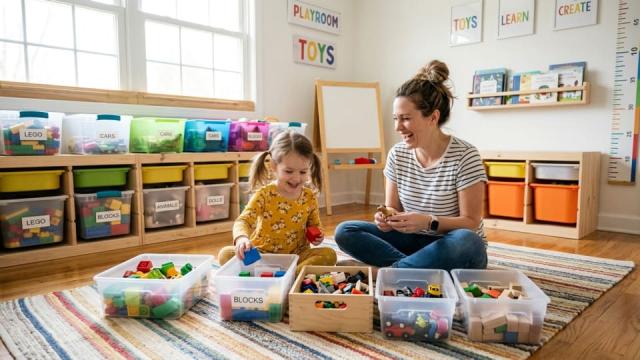
Once you've decluttered, implement a simple toy rotation system. Keep about a third of toys accessible and store the rest in clear boxes or bins. Every few weeks, swap them around.
This approach means your child always has "new" toys to rediscover, and you're not constantly battling mess. Label boxes with pictures as well as words so even non-readers can help with the system.
Store the rotation boxes somewhere accessible but out of daily sight – under beds, in wardrobes, or on high shelves work well.
Create positive donation experiences
Help your child understand where their toys are going. If possible, involve them in dropping donations to local charities or family resource centres. Many children feel proud knowing their toys will help other boys and girls.
Consider setting up a permanent "donation station" – a special box where toys can be placed when your child decides they're ready to pass them on. This removes the pressure of immediate decisions.
Some families create a "toy hospital" for broken items – they go there first, and if they can't be fixed within a week or two, they move to the donation box.

Maintaining the calm
Once you've achieved your decluttered space, the key is maintaining it without daily battles. Implement a simple "one toy out, one toy away" rule during play time.
Create designated homes for different types of toys using picture labels. When everything has a clear place, even young children can help with tidying up.
Consider implementing a "toy sunset" routine – 10 minutes before bedtime when everyone helps put toys back in their homes. Make it part of your evening routine rather than a separate chore.
When resistance happens
If your child becomes upset about letting go of toys, acknowledge their feelings. "I can see you really love that teddy, even though you haven't played with him lately. Would you like to keep him in your room instead of the playroom?"
Sometimes, taking photos of special toys before they go to new homes can help children process letting go. Create a "memory book" of toys that have moved on.
Remember, some attachment is normal and healthy. Don't force decisions about genuinely cherished items – focus on the obviously outgrown or forgotten toys first.
Decluttering toys doesn't have to be a battle. With patience, creativity, and respect for your child's feelings, you can create a calmer, more organised home that works for everyone. Start small, stay consistent, and celebrate the wins – even if it's just finding the floor of the playroom again.