You’ll need to buy many things to prepare for the arrival of your baby, but a crib mattress is one of the most important. There are a variety of mattresses to choose from and even the most basic mattresses differ in terms of quality and build. Make sure you understand what to look for before making your final decision.
Pick the right size
Knowing the mattress size is key. It can be incredibly frustrating to realise the mattress you selected is either too big or too small for your baby’s crib. But many first-time parents don’t realise that size is about more than just comfort and fit. Crib size is also directly related to safety.
The first and most important thing you should do to select a safe mattress is to have the exact measurements of the crib handy while shopping. If you can’t find a mattress that’s an exact fit, choose one that doesn’t have a space wider than two of your fingers between the frame of the crib and the side of the mattress. Anything wider than this can allow your baby to become trapped, resulting in serious injury or suffocation.
Be wary of cleaning
When it comes to cleaning, most mattresses allow for spot-cleaning. For instance, a mattress with a vinyl cover allows you to simply use a damp cloth to wipe clean any mess.
Additionally, many crib mattresses come with removable covers that you can toss into your washing machine for cleaning. When choosing a removable cover, look for one that’s waterproof. A waterproof cover gives the mattress an extra layer of protection against stains, which can lead to mildew. Finally, be sure to choose a cover that fits tightly over the crib mattress.
Check the weight
Another important thing to consider when choosing your baby’s mattress is how much it weighs. A light mattress will be easier to lift when you’re removing its cover or adjusting the mattress in the crib.
The weight of a mattress depends on the material it’s made of. Foam mattresses usually weigh seven to eight pounds. However, a mattress made from memory foam is composed of an extremely dense type of polyurethane and can weigh up to 20 pounds. Crib mattresses that include internal springs are also pretty heavy, coming in between 15 and 20 pounds.
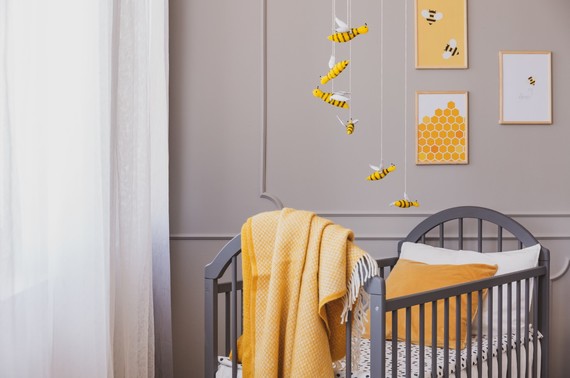
Add a mattress cover
Look for a mattress that has double- or triple-laminated ticking, which makes it more durable. You should also be sure to choose ticking that is reinforced with nylon to make it even more tear-proof.
If you prefer an organic crib mattress, it’s important to understand that many organic mattresses include a cover made of cotton. In that case, consider purchasing a fitted mattress cover that’s also waterproof. However, some crib mattresses utilize food-grade waterproofing within the mattress cover itself.
Consider firmness
Although adult-size mattresses are often chosen because of how soft they are, a baby's mattress is different. A firm mattress is a must when it comes to choosing a mattress for your baby.
Soft sleeping surfaces can pose serious hazards for infants, including suffocation. A baby doesn’t have the mobility of an older infant, child, or adult and might become wedged in the folds or contours of a soft mattress.
Soft sleeping surfaces are also known to increase the risk of sudden infant death syndrome (SIDS). Because of these potential dangers, choose a firm mattress for your baby and don’t put them down to sleep on a soft surface.
Look for independent certification
To ensure the crib mattress you’re considering is safe, look for a product that meets the safety standards for the American Society for Testing and Materials and is also certified by the CPSC. A mattress that has both certifications has been through numerous safety tests to ensure it won’t pose any danger to your baby.
If you’re considering purchasing an organic mattress, choose one that has also been certified by the Global Organic Textile Standards. The Oeko-Tex Standard 100 certification indicates that the mattress was not exposed to heavy metals or certain flame retardants during the manufacturing process.
Finally, understand that although a mattress might be labeled as “organic,” this label doesn’t necessarily mean it’s 100% organic. Look for a product that’s also be certified by an independent group such as the Environmental Working Group.
These strategies can help you find the best crib mattress for your new baby.