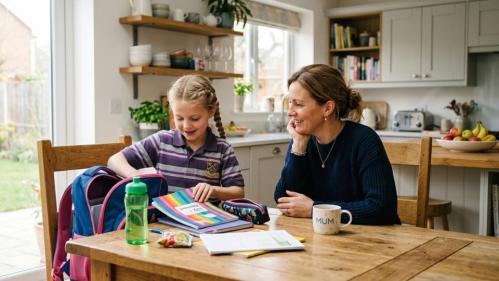
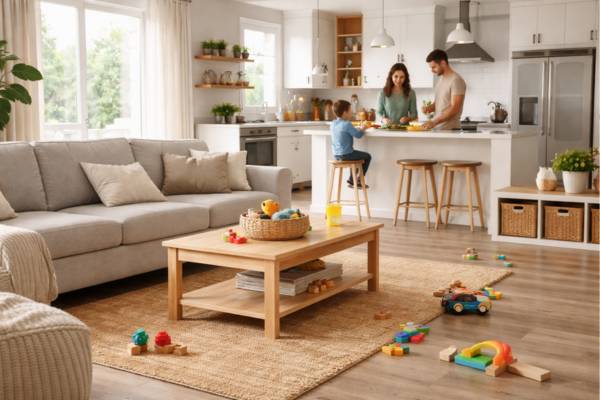
For parents, a home is more than just a place to live. It is a space filled with movement, noise and constant activity. From muddy shoes and spilled drinks to toys scattered across the floor, family life naturally brings wear and tear.
This is why low-maintenance homes have become so appealing. Parents do not want to spend their limited free time worrying about constant cleaning, repairs or delicate materials that cannot withstand daily use.
A low-maintenance home provides peace of mind. It allows parents to focus on their children, their work and their wellbeing instead of worrying about preserving perfect interiors. The secret lies in creating an environment that balances durability, practicality and comfort without sacrificing style.
Choosing Durable Materials That Last
One of the most important aspects of a low-maintenance home is the use of strong, resilient materials. Parents benefit from surfaces that can handle heavy use, accidental spills and frequent cleaning without showing damage. Flooring, in particular, plays a significant role because it is exposed to the most daily impact.
Natural materials are often the best choice because they age gracefully and can toleratewear. Options like wood, stone and especially slate tiles offer both durability and visual appeal.
Slate is naturally resistant to stains and scratches, making it ideal for busy households where spills and messes are unavoidable. Unlike softer materials, it does not easily show signs of damage, which reduces the need for repairs or replacements.
Walls and worktops should also be selected with longevity in mind. Washable paints, sealed surfaces and scratch-resistant finishes help ensure the home continues to look clean and fresh over time.
Designing Spaces That Are Easy to Clean
A well-designed home makes cleaning simpler and faster. Parents appreciate layouts that minimise awkward corners, tight gaps and clutter-prone areas. Open spaces with clear surfaces are easier to maintain because they allow for quick wiping, sweeping or vacuuming without obstacles.
Built-in storage plays a crucial role in this. When toys, books and household items have dedicated places, it becomes easier to keep rooms tidy. Storage solutions such as fitted cupboards, under-stairs shelving and multi-functional furniture help reduce visible mess while keeping essentials accessible.
Smooth surfaces are also easier to clean than textured or delicate ones. Materials that resist dust, stains and moisture contribute to a home that remains hygienic without requiring constant effort.
Prioritising Practical Layouts for Everyday Life
Low-maintenance homes are designed to support the routines of family life. This means thinking carefully about how spaces are used and ensuring they work efficiently. For example, placing durable flooring in entryways helps manage muddy shoes, while practical kitchen layouts allow for easy cleaning after meals.
Parents also benefit from flexible spaces that can adapt as children grow. Rooms that can serve multiple purposes reduce the need for frequent redesign or renovation. This adaptability saves both time and money while maintaining the home’s functionality.
Practical layouts also help prevent damage. When spaces are designed for real use rather than appearance alone, materials and finishes last longer.
Reducing the Need for Frequent Repairs
Another secret to low-maintenance homes is investing in quality from the beginning. While cheaper materials may seem appealing initially, they often require more repairs and replacements over time. Parents quickly discover that durable choices save effort and
in the long run.
Reliable fixtures, strong flooring and well-constructed fittings ensure that the home remains functional without constant attention. This reliability reduces stress and allows families to enjoy their space fully.
Quality materials also maintain their appearance, meaning parents do not need to worry about their home looking worn or outdated after just a few years.
Creating a Comfortable and Stress-Free Environment
Ultimately, the secret to a low-maintenance home that parents appreciate is creating a space that supports their lifestyle rather than complicates it. Durable materials, thoughtful design and practical layouts all contribute to an environment that is easy to manage.
When parents do not need to constantly clean, repair or protect their home, they gain something far more valuable: time. A low-maintenance home allows families to focus on living, growing and enjoying everyday moments together without unnecessary stress.