
If you've ever watched a loved one recover from a stroke, you'll know just how devastating the aftermath can be. The physical challenges, the emotional toll on families, the endless appointments and therapies. It's something that affects more Irish families than we often realise.
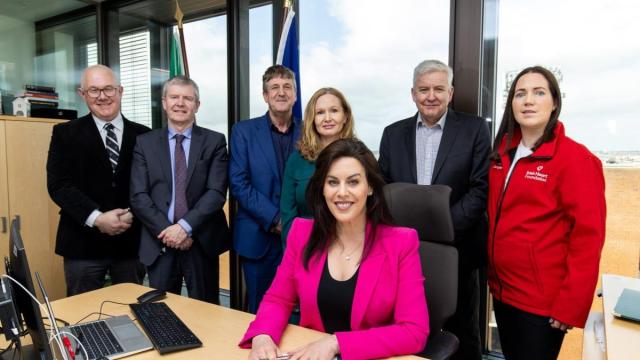
Minister for Health Jennifer Carroll MacNeill TD will today sign the Stroke Action Plan for Europe and announce plans to develop Ireland's next National Stroke Strategy. It's a significant move that could reshape how stroke care works in this country for years to come.
What does this actually mean for Irish families?
The Stroke Action Plan for Europe sets out a roadmap to improve every stage of stroke care. We're talking prevention, early treatment, rehabilitation and long-term support for survivors and their families. By signing up to this European plan, Ireland is committing to evidence-based standards that should (in theory, at least) mean better outcomes for anyone who suffers a stroke.
The new national strategy will be developed with input from patients, doctors, academics and advocacy groups. So real people with real experience of stroke will have a say in how services are shaped. That feels important.
Minister Carroll MacNeill said she's signing the plan "in recognition of the high burden of stroke on individuals, families, carers and society."
"We know that as our population ages, the incidence of stroke is expected to rise substantially," she added. "The Stroke Action Plan for Europe sets out a clear roadmap for the development of evidence-informed stroke policy and services in Ireland to meet our demographic challenges."
The numbers are pretty sobering
Here's the thing that stopped me in my tracks: one in four of us will have a stroke in our lifetime. One in four. That's your book club. Your school-gate crew. Your family WhatsApp group.
Around 6,000 people in Ireland suffer a stroke each year, and over 60,000 survivors are living in communities across the country. Stroke is the leading cause of acquired physical neurological disability in adults here. It can also contribute to dementia, depression and loss of independence.
And those numbers are set to climb. Research predicts new stroke cases could rise by up to 59% in the next two decades, mainly because our population is ageing. Which makes it even more pressing to get services right now.
Professor Ronan Collins, Clinical Lead for the HSE's National Stroke Programme, described tomorrow's signing as "a major milestone."
"The burden of stroke is enormous on Irish society," he said. "The commitment to develop our next National Stroke Strategy to align with the Stroke Action Plan for Europe will future proof our services and reduce the burden of stroke on patients, families and society."
What's already being done?
The Government says over €13 million has been invested since 2022 in stroke prevention and care. This includes funding for Acute Stroke units and Early Supported Discharge Teams, which help stroke patients leave hospital sooner and recover at home with proper support.
That last bit matters. Anyone who's spent time in hospital (or watched a parent or partner stuck there) knows how much difference it makes to get home to your own bed, your own kitchen, your own routine.
Chris Macey, Director of Advocacy and Patient Support at the Irish Heart Foundation, called it "a landmark day for stroke care in Ireland."
"The signing of the Action Plan marks a solid commitment to the development of comprehensive prevention, acute treatment and rehabilitation services that will minimise death and disability from stroke," he said.
"Signing the Plan also signifies our commitment to creating post discharge protocols and supports that will help maximise the ability of survivors to live the best lives possible after stroke strikes."
Why this matters to mums
We're often the ones holding everything together when health crises hit. Whether it's driving a parent to rehab appointments while juggling school pick-ups, or trying to understand medication schedules while simultaneously meal-prepping for the week ahead.
Better stroke care means less time in overwhelmed emergency departments. It means proper rehabilitation support so your dad can eventually potter around his garden again. It means discharge teams who actually help with the transition home instead of leaving families to figure it out alone.
The strategy is still being developed, so nothing changes overnight. But the fact that patients and families will have input into how it's shaped? That feels like progress.
For more information on the Stroke Action Plan for Europe, visit actionplan.eso-stroke.org