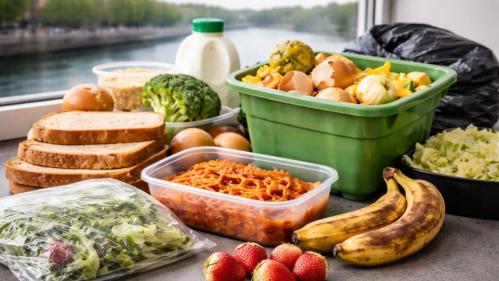
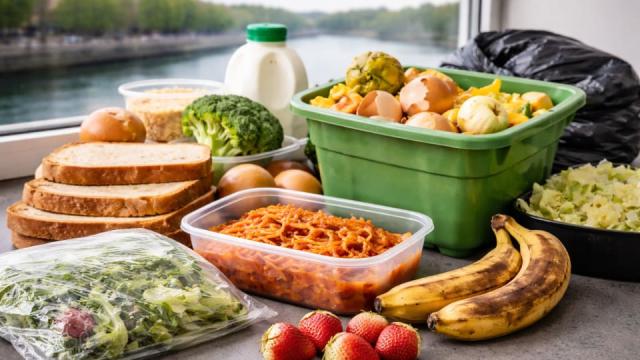
We're all guilty of it. That bag of salad lurking at the back of the fridge, slowly turning to mush. The leftover pasta that somehow got forgotten about. The bread that went stale before we could finish it. But new research reveals that most of us have no idea just how massive Ireland's food waste problem really is.
A survey from Too Good To Go found that 80% of Irish adults are completely unaware that we're binning €3.2 million worth of food every single day. Yes, you read that right. Every day. That's enough to make any mum who's ever stressed about the weekly grocery budget feel a bit queasy.
The scale is staggering when you break it down. According to the EPA, Irish households alone generated over 221,000 tonnes of food waste in 2023. That's more than a quarter of all the food waste in the country coming straight from our kitchens and fridges.
The Hidden Impact of Family Food Waste
For busy mums juggling work, school runs and everything in between, food waste often happens without us even realising. You buy fresh ingredients with the best intentions, then life gets in the way. Tuesday's planned stir-fry becomes Thursday's takeaway order because someone had football practice and another had a meltdown about homework.
The thing is, most of us don't connect our individual household waste to the bigger picture. When you're dealing with a toddler who suddenly decides they hate the bananas they loved yesterday, or teenagers who inhale everything except the vegetables you've carefully prepared, it's easy to think your few bits of leftover food don't matter much.
But here's the encouraging bit: the research shows that Irish consumers are actually keen to do something about it. Nearly seven in ten people say they're more likely to support businesses that actively work to reduce food waste. There's clearly an appetite for change, we just need to know how to make it happen.
Simple Solutions That Actually Work
Chelsea Kerr, Managing Director for UK & Ireland at Too Good To Go, points out that the opportunity is massive: "Across Ireland, there's a huge opportunity to prevent food waste and it's great to see that consumers are ready to take action. Whether it's making small changes at home, shifting habits at work, or choosing to support businesses that are actively saving surplus food, these everyday choices add up."
The good news is that tackling food waste doesn't require a complete overhaul of how we shop and cook. Sometimes it's as simple as checking what's actually in your fridge before heading to the shops (revolutionary, I know). Or getting the kids involved in meal planning so they're more likely to actually eat what you've prepared.
Apps like Too Good To Go are making it easier for families to be part of the solution. Instead of businesses throwing away perfectly good surplus food at the end of the day, you can snap up bargain "surprise bags" from local shops and restaurants. It's a win-win: you save money on groceries and help prevent waste.
Making Change That Sticks
Machaela O'Leary from Too Good To Go emphasises that this doesn't have to be complicated: "We're seeing first-hand across Ireland that saving food from going to waste doesn't require big, complex changes, it starts with simple, practical actions."
The research shows that when people can see practical solutions that fit into their daily routine, they're much more willing to get involved. It's not about guilt-tripping families who are already doing their best to keep everyone fed and happy. It's about making small changes that actually stick.
Think about it: if every household in Ireland just reduced their food waste by a little bit, the collective impact would be enormous. And with food prices still pinching family budgets, there's never been a better time to get serious about using what we buy.
The fact that 68% of consumers want to support waste-reducing businesses shows that this isn't just about individual households. It's about creating a culture where preventing food waste becomes the norm, not the exception.
For more information about reducing food waste, visit the EPA's food waste resources.