If your little one has been sniffling, rubbing their eyes, and seems more cranky than usual during these lovely sunny days, you might be wondering if it's hay fever or just another bout of the sniffles. Many Irish parents find themselves puzzled when their toddler's runny nose persists well beyond the typical cold timeframe, especially during spring and summer months.
Understanding hay fever in young children can feel overwhelming, but with the right information, you can help your child feel more comfortable and enjoy the outdoors safely. Here's what every parent needs to know about recognising and managing hay fever in toddlers and young children.
Spotting hay fever symptoms in your child
Hay fever symptoms in children can be quite similar to cold symptoms, which is why many parents initially assume their little one has picked up yet another bug. The key difference is timing and duration – hay fever symptoms tend to appear during specific seasons and can last for weeks or months.
Look out for these common signs:
• Persistent runny or blocked nose with clear discharge
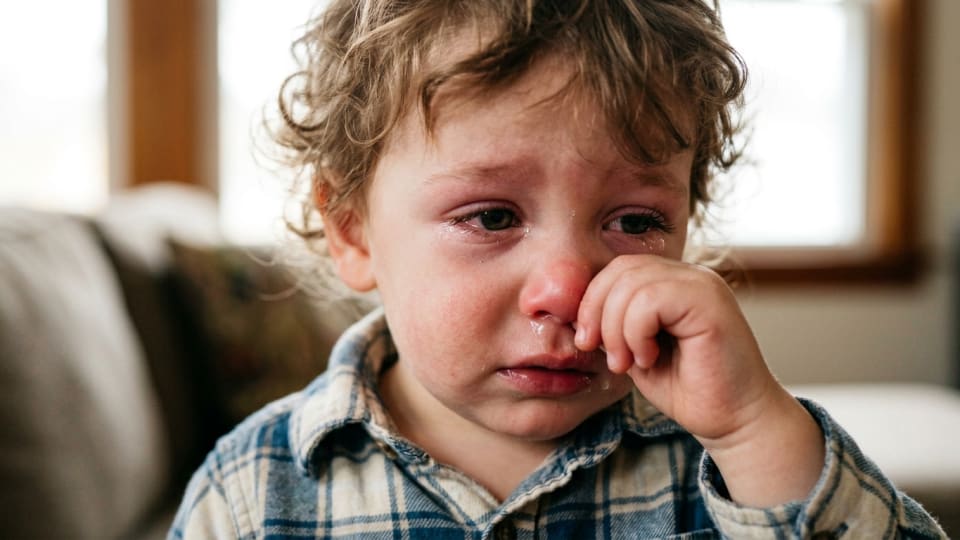
• Frequent sneezing, especially in the morning or after being outdoors
• Red, itchy, or watery eyes
• Rubbing of the nose and eyes
• Irritability or difficulty sleeping
• Dark circles under the eyes (sometimes called "allergic shiners")
Unlike with a cold, your child won't typically have a fever with hay fever, and the symptoms often worsen on high pollen count days or after spending time in parks or gardens.
When pollen peaks in Ireland
Understanding Ireland's pollen calendar can help you prepare and plan activities around your child's symptoms. Tree pollen typically causes problems from March to May, with oak, birch, and ash being common culprits. Grass pollen, which affects the most people, peaks from May through July. Weed pollens can cause issues from June right through to September.
Pollen counts tend to be highest in the early morning and early evening, and on warm, dry, and breezy days. Rainy days often provide relief as the rain washes pollen from the air.
Simple home management strategies
The good news is that there are plenty of gentle, practical ways to help your child feel more comfortable without overwhelming them with treatments.
Timing outdoor activities: Plan garden play and trips to the park for late morning or afternoon when pollen counts are typically lower. After rain is an ideal time for outdoor adventures.
Creating a pollen-free bedroom: Keep bedroom windows closed during high pollen days, and consider using an air purifier. Wash your child's face and hands before bedtime, and change their clothes after they've been playing outside.
Simple eye relief: A cool, damp cloth gently placed over closed eyes can provide soothing relief from itchy, irritated eyes. Always use a clean cloth each time.
Gentle nasal care: Saline nasal sprays designed for children can help flush out pollen and provide relief from congestion. These are available at most pharmacies and are safe for regular use.
Age-appropriate treatments
For children over one year old, there are several over-the-counter options that may help, but it's always best to chat with your pharmacist or GP first. Antihistamine syrups specifically formulated for children can be effective, and many have pleasant flavours that make them easier to give.
Some parents find that a spoonful of local honey may help, though this should never be given to children under 12 months old. While the scientific evidence is limited, many families swear by this gentle, natural approach.

When to contact your GP
While hay fever is generally manageable at home, there are times when professional advice is needed. Consider booking an appointment if your child's symptoms are significantly affecting their sleep, mood, or daily activities, or if over-the-counter treatments aren't providing relief after a few weeks.
Your GP might suggest prescription antihistamines, nasal sprays, or even refer you to an allergy specialist if symptoms are severe. They can also help rule out other conditions and provide personalised advice based on your child's specific needs.
If your child develops any breathing difficulties, persistent cough, or signs of an asthma flare-up alongside hay fever symptoms, seek medical attention promptly.
Supporting your little one through pollen season
Remember that hay fever can be particularly frustrating for young children who can't fully understand why they feel uncomfortable. Extra cuddles, gentle explanations, and patience go a long way. Many parents find that keeping a symptom diary helps identify patterns and triggers, making it easier to plan activities and manage symptoms proactively.
With the right approach and a bit of preparation, you can help your child enjoy the beautiful Irish outdoors while keeping hay fever symptoms well under control. Trust your instincts as a parent – you know your child best, and don't hesitate to seek professional advice when you need it.