Watching your little one approach their second birthday brings such a mixture of emotions, doesn't it? One minute they're your baby, and the next they're asserting their independence with a determined "No!" or delighting you with new words that seem to pop up daily.
If you're wondering whether your child is developing as they should, you're certainly not alone. Many Irish parents find themselves quietly comparing their toddler's progress with others at playgroups or childcare, but the truth is that development at this age happens across a wonderfully wide spectrum.
Here's what you can generally expect around the 2-year mark, along with some gentle ways to support your child's growth at home.
Language and Communication Milestones
By age two, most children have developed a vocabulary of around 50 words, though some may have fewer and others considerably more. What's particularly exciting at this stage is watching those single words bloom into two-word combinations like "more juice" or "daddy gone."
Your toddler is likely becoming much better at understanding what you're saying, even if they can't express everything they want to communicate yet. Many parents find their child can follow simple two-step instructions like "get your shoes and bring them here."
Don't worry if your child isn't quite there yet with speech. Some children are naturally quieter or prefer to observe before they dive into talking. What matters more is that they're showing interest in communicating, whether through gestures, pointing, or attempting words.

Physical Development at Two
The physical changes at this age can be remarkable to witness. Most 2-year-olds are confident walkers and are beginning to experiment with running, jumping, and climbing. You might notice your child attempting to kick a ball, walk up stairs while holding the rail, or even try to pedal a tricycle.
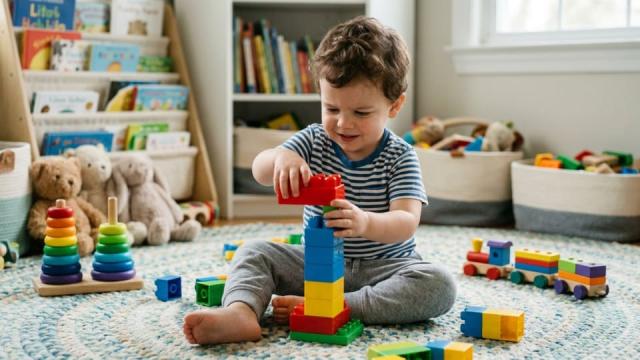
Fine motor skills are developing too. Many children this age can stack blocks, turn pages in a book (though perhaps several at once!), and use a spoon with increasing accuracy. Drawing becomes fascinating to them, even if their masterpieces look more like enthusiastic scribbles to adult eyes.
Remember that physical development varies greatly. Some children are natural athletes, while others prefer quieter activities. Both approaches are perfectly normal.
Social and Emotional Growth
This is often where parents see the most dramatic changes. Your 2-year-old is developing their own personality and preferences, which can sometimes manifest as strong opinions about everything from what they'll wear to which cup they'll drink from.
Parallel play becomes more common at this age – you might see your child playing alongside other children rather than directly with them. This is completely normal and an important step towards more interactive play later on.
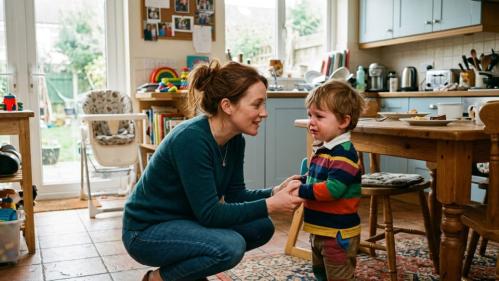
Emotional regulation is still very much a work in progress. Tantrums are common because toddlers feel big emotions but don't yet have the words or skills to manage them effectively. Many Irish parents find this phase challenging, but remember that these outbursts are actually signs of healthy emotional development.
Supporting Development at Home
The wonderful news is that you don't need expensive toys or structured activities to support your child's development. Simple, everyday interactions are incredibly powerful.
For language development, narrate your daily activities: "Now I'm putting the washing in the machine" or "Let's put on your red jumper." Reading together remains one of the best investments in your child's development, even if they prefer the same book repeatedly.
Physical development benefits from safe opportunities to climb, run, and explore. Irish weather can make outdoor play challenging, but even indoor obstacle courses using cushions and pillows can help develop coordination and confidence.

When to Seek Guidance
While development timelines vary significantly, there are a few areas where it's worth having a chat with your public health nurse or GP. Consider reaching out if your child isn't using any words by 18 months, isn't walking by 18 months, or seems to have lost skills they previously had.
Similarly, if your child doesn't seem to understand simple instructions, shows no interest in other children, or you have concerns about their hearing or vision, it's always better to discuss these observations with a healthcare professional.
Remember, early intervention services are available through the HSE if needed, and seeking support early often leads to the best outcomes.
Trust Your Instincts
As your child approaches this exciting milestone, remember that you know them best. Development isn't a race, and each child has their own timeline for reaching these important markers.
Some days your little one might seem incredibly advanced, chattering away or mastering a new skill. Other days, they might seem to take a step backwards or become clingy and uncertain. Both scenarios are completely normal parts of growing up.
The most important thing you can provide is a loving, responsive environment where your child feels safe to explore, make mistakes, and develop at their own pace. Your patience, encouragement, and unconditional love are the greatest gifts you can offer during this remarkable stage of development.