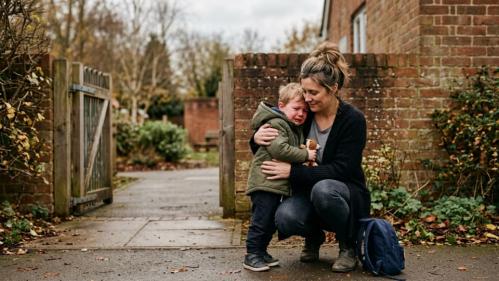

If you've been following the news, you'll know Australia just became the first country in the world to ban social media for children under 16. The law came into effect this week and it's being called ground-breaking. But for many of us raising children in an increasingly online world, it's also raising some big questions about whether Ireland should be looking at something similar.
Because here's the thing: while we're all trying to navigate the chaos of packed lunches and homework and getting everyone to bed at a reasonable hour, our kids are also growing up in a digital landscape that most of us didn't have to deal with. And according to child safety experts, that landscape has become genuinely dangerous.
Childlight, a global child safety institute hosted by the University of Edinburgh and University of New South Wales in Sydney, has come out strongly in support of Australia's new minimum age law. They're calling it an "unfortunate but necessary step" to protect children from what they describe as escalating levels of online sexual abuse and exploitation.
Let that sink in for a moment. We're not talking about cyberbullying or too much screen time. We're talking about sexual abuse.
The scale of the problem is shocking
Research from Childlight indicates that over 300 million children experience online sexual abuse each year, with most of this occurring on social media platforms like TikTok, Snapchat, Facebook and YouTube. Those same platforms many of us allow our children to use, often because they promise us they're safe.

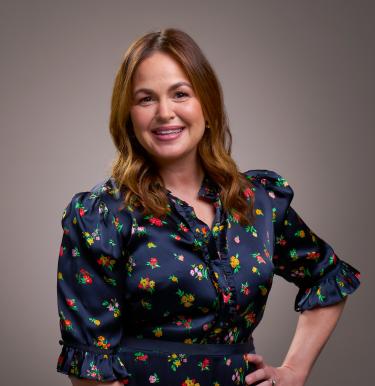
Debi Fry
Professor Debi Fry, Childlight's global director of data and Professor of International Child Protection Research at the University of Edinburgh, doesn't mince her words. "This is an important preventative, public-health intervention when exposure to unsafe digital environments has been linked to significant lifelong impacts in terms of physical and mental health," she says.
She describes Australia's move as recognising that "voluntary industry approaches have consistently fallen short of what the empirical evidence demands." In other words, leaving it up to the tech companies to sort out their own mess hasn't worked.
Reports of online child sexual abuse have increased every year for two decades. Despite repeated warnings from governments, experts and survivor advocates, social media companies have consistently prioritised growth and engagement over child protection. Essential safeguards like age assurance, proactive detection of grooming and child sexual abuse material, and meaningful privacy protections haven't been reliably implemented or are entirely absent.
What does the ban actually mean?
From this week, age-restricted social media platforms in Australia are required to take reasonable steps to prevent anyone under 16 from having accounts. If they don't comply, courts can impose fines currently equivalent to a total of $49.5 million Australian dollars. That's serious money and a serious deterrent.
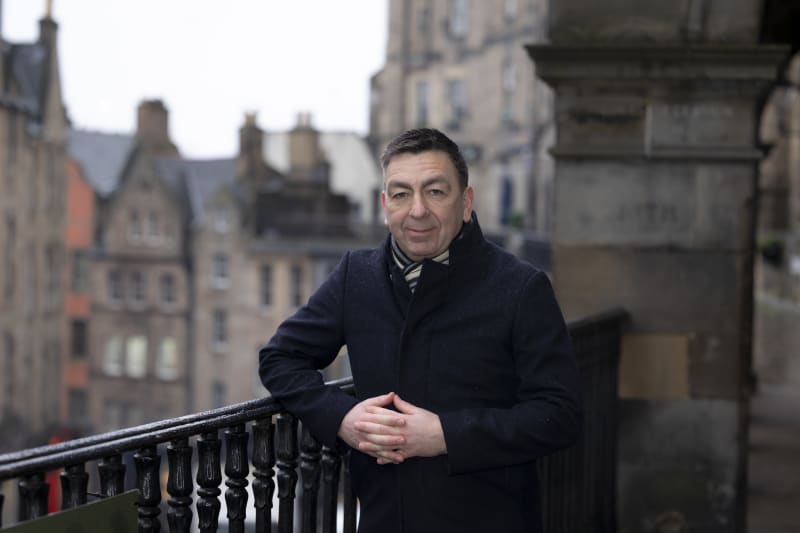
Paul Stanfield
Childlight CEO Paul Stanfield supports the move but stresses it needs to be kept under review. "Children are growing up in an online world that has become increasingly hostile, and the level of sexual abuse leaves governments with little choice but to act," he says. "I support this move in principle as a step to upholding children's rights to safe digital environments, and keeping it under review to ensure it truly protects children."
The institute is clear that age restrictions aren't a silver bullet. They're calling on the Australian government to accompany the ban with robust investment in regulatory frameworks that oblige platforms to detect, prevent and transparently report child sexual exploitation. They want an enforceable "duty of care" for online services and comprehensive support services for child victims and adult survivors.
What about Ireland?
This is where it gets closer to home for us. Ireland has been relatively proactive when it comes to online safety compared to some countries. We have Coco's Law, named after Nicole Fox who took her own life after intimate images of her were shared online. We're seeing more conversations about the Online Safety and Media Regulation Act.
But are we doing enough? The statistics from Childlight don't apply only to Australian children. Irish kids are using the same platforms, facing the same risks. Every parent I know has had that moment of panic when they realise how much access their child has to the online world and how little control we actually have over what happens there.
The Australian law is being watched closely by governments around the world. If it works, if it genuinely makes children safer without creating unintended harms, you can bet other countries will follow suit. Ireland could well be one of them.
Childlight acknowledges that children have a right to participate in online life. Nobody's suggesting we lock them away from technology entirely. But for too long that right has been compromised by social media companies unwilling to meet their basic child protection obligations.
As parents, we're constantly making impossible decisions about screen time, what apps are okay, how much freedom to give. We're doing our best while also trying to remember if it's library day and whether anyone has clean PE kit. The idea that the platforms themselves should be held accountable, that there should be actual consequences for failing to protect our children, feels long overdue.
Whether Ireland follows Australia's lead remains to be seen. But one thing's certain: the conversation about keeping our kids safe online isn't going away. And maybe that's exactly the conversation we need to be having.