Watching your little one navigate their world with growing independence can be both thrilling and nerve-wracking. As parents, we want our preschoolers to feel confident and secure, especially as they face new experiences like starting preschool or making their first friends.
The good news? Building your child's confidence doesn't require grand gestures or expensive programmes. Some of the most powerful confidence-boosters happen in everyday moments at home. Here are five simple, practical ways to nurture your preschooler's self-esteem naturally.
1. Celebrate effort over results
When your four-year-old proudly shows you their wonky drawing or enthusiastically tells you about their attempt to tie their shoes, resist the urge to focus on the outcome. Instead, celebrate their effort and persistence.
Try saying: "I can see you worked really hard on this drawing" or "You kept trying with those shoelaces - that takes real determination!" This approach helps children understand that their worth isn't tied to being perfect, but to giving their best effort.
Many parents find this particularly helpful when children are learning new skills like using scissors, writing their name, or helping with simple chores around the house.
2. Create a safe space for big feelings
Preschoolers experience intense emotions but often lack the words to express them. When your child feels frustrated, disappointed, or even angry, acknowledge their feelings without trying to fix everything immediately.

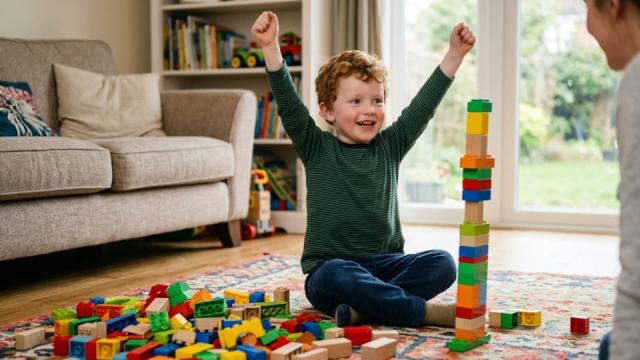
"I can see you're really upset that your tower fell down" validates their experience without dismissing it. Follow up with: "Would you like to talk about it or would a cuddle help?" This teaches children that all feelings are acceptable and that they can trust you with their emotional world.
Creating this emotional safety net at home gives children the confidence to be themselves, knowing they won't be judged for having difficult feelings.
3. Offer age-appropriate choices
Giving your preschooler small choices throughout the day helps them feel capable and in control. These don't need to be big decisions - simple options work beautifully.
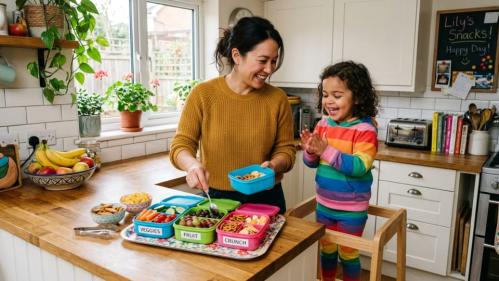
Ask: "Would you like to wear your red jumper or blue one today?" or "Should we read this book or that one before bed?" Even letting them choose between two healthy snacks gives them a sense of autonomy.
If you're juggling a busy morning routine, try preparing choices the night before. Lay out two outfit options or let them pick which bowl they'd like for breakfast. These small decisions build their problem-solving skills and confidence in their own judgment.
4. Encourage independence with gentle support
Parents often find themselves torn between helping their child and letting them struggle a bit. The sweet spot lies in offering just enough support to keep them moving forward without taking over completely.
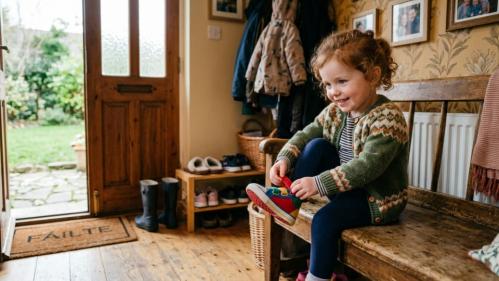
When your three-year-old is trying to put on their coat, resist jumping in immediately. Instead, offer specific guidance: "Try putting your arm in this sleeve first" or "I can hold the coat steady while you work on the zip."
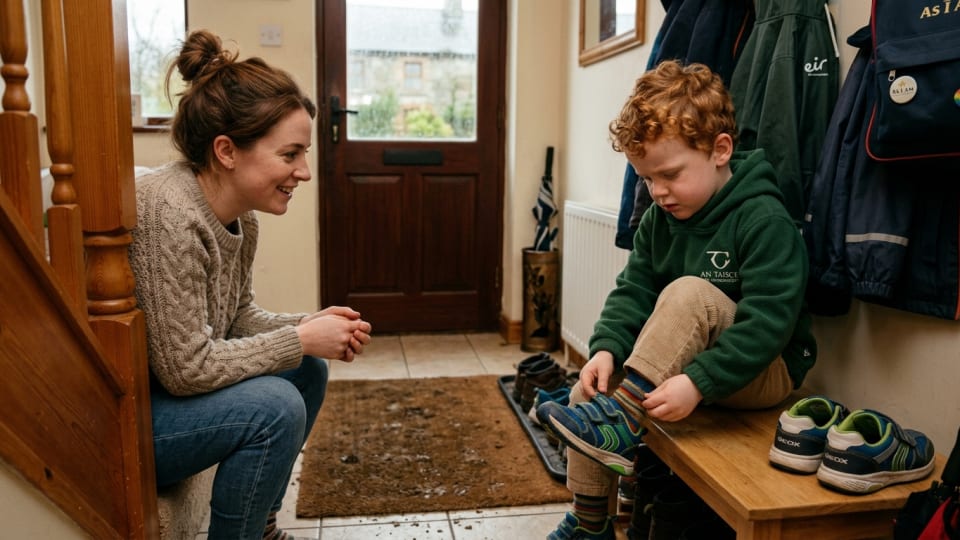
This approach works particularly well when children are getting ready for preschool or learning self-care skills. They gain confidence from mastering tasks themselves, while knowing you're there if they need help.
5. Model resilience during setbacks
How you handle your own mistakes and frustrations teaches your child powerful lessons about resilience. When you spill your coffee or can't find your keys, narrate your problem-solving process out loud.
"Oh no, I've made a mess! Let me get a cloth to clean this up" or "I can't find my keys, but I know they're here somewhere. Let me check the kitchen counter first." This shows children that setbacks are normal and manageable.
When your child faces their own disappointments - like a cancelled playdate or a broken toy - you can reference your own experiences: "Remember when Mummy couldn't find her keys? We figured it out together, and we can figure this out too."
Building confidence takes time
Remember that confidence grows gradually through consistent, loving interactions. Some days your preschooler might seem fearless and ready to take on the world, while other days they might cling to your leg at the school gate. Both responses are perfectly normal.
The key is providing steady, patient support as they navigate this exciting but sometimes overwhelming stage of development. Trust that these small, daily confidence-building moments are laying a strong foundation for your child's future emotional wellbeing.
Every child develops at their own pace, so avoid comparing your little one to their peers. Focus on celebrating their individual progress and unique personality - that's where true confidence begins.