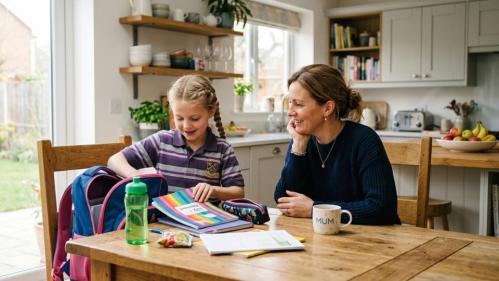

If you're like many parents, you've probably wondered when to start giving your children chores—and how to do it without turning every day into a negotiation. The good news is that teaching responsibility through age-appropriate tasks doesn't have to be a battle. With the right approach, chores can actually become a natural part of family life that helps children develop confidence and independence.
Starting early with simple tasks and gradually building up responsibilities as children grow creates a foundation for lifelong skills. Here's how to introduce chores that work for real Irish families, from toddlers who are eager to help to teenagers who need life skills for their future.
Starting small: Ages 2-4
Toddlers are naturally curious and often want to "help" with everything. This is the perfect time to channel that enthusiasm into simple, manageable tasks. At this age, it's less about perfection and more about building the habit of contributing to the household.
Try starting with putting toys away after playtime, feeding pets (with supervision), or carrying their own plate to the kitchen after meals. These small actions help little ones feel important and capable while learning that everyone in the family has a role to play.
Many parents find that making it fun works best at this age. Singing a "tidy-up song" or turning chore time into a game can make the difference between cooperation and resistance. Remember, you'll likely need to help them complete these tasks, but that's part of the learning process.
Building independence: Ages 5-8
Primary school children can handle more complex tasks and are developing better motor skills and attention spans. This is when you can introduce chores that require a bit more focus and responsibility.
Making their bed (even if it's not perfect), setting the table for meals, sorting laundry by colour, and simple food preparation like making sandwiches or washing fruit are all excellent options. These tasks help children feel more independent while contributing meaningfully to family life.

If you're juggling work and family life, you might worry about having time to teach and supervise these new responsibilities. Start with just one new chore at a time and be patient with the learning curve. It's worth investing the time now to build these habits.
Developing life skills: Ages 9-12
Older children can take on chores that require planning and follow-through. This is an ideal time to introduce tasks that mirror real adult responsibilities, helping them understand how households actually function.
Consider giving them responsibility for their own laundry, planning and preparing simple family meals once a week, managing pocket money and small shopping tasks, or taking full responsibility for pet care. These activities build confidence and teach valuable life skills they'll need as they grow up.
Many parents find that this age group responds well to having choices. Instead of assigning specific chores, you might create a list of family responsibilities and let them choose which ones they'd prefer to take on.
Preparing for independence: Ages 13+
Teenagers can handle almost any household task and benefit from responsibilities that prepare them for adult life. This is your opportunity to teach skills they'll genuinely need when they eventually leave home.
Full meal planning and cooking, managing their own schedule and commitments, budgeting for family shopping trips, and taking responsibility for household maintenance tasks like cleaning bathrooms or doing the weekly hoover are all appropriate for this age group.
Parents often find that linking chores to privileges works well with teenagers. Having a clean driving licence might depend on consistently meeting household responsibilities, or phone privileges might be tied to completing agreed-upon tasks.
Making it work in real life
The key to success is starting slowly and being consistent rather than perfect. Choose one or two chores to begin with, and don't worry if it takes a few weeks for new habits to stick. Most children need time to adjust to new expectations.

When children resist (and they will), try to understand what's behind the pushback. Are they overwhelmed? Is the task too difficult? Sometimes adjusting your approach or the timing can make all the difference.
Remember that teaching responsibility is a gradual process. You're not just getting help around the house—you're raising children who understand that families work together and that everyone's contribution matters.
Gentle enforcement without guilt
If you're worried about being too strict or too lenient, you're not alone. Many parents struggle with finding the right balance between expectations and understanding.
Natural consequences often work better than punishments. If clothes don't make it to the laundry basket, they don't get washed. If toys aren't put away, they might need to be "rested" in a box for a day or two.
The goal is to raise children who contribute naturally to family life, not to create additional stress for yourself. If a particular chore isn't working, it's perfectly fine to adjust your approach or try something different.
Teaching responsibility through chores is one of the most valuable gifts you can give your children. Start small, be patient with the process, and remember that every family finds their own rhythm. Your children are learning skills that will serve them throughout their lives, and that's worth celebrating—even on the days when it feels like more work for you.