Create natural sharing opportunities
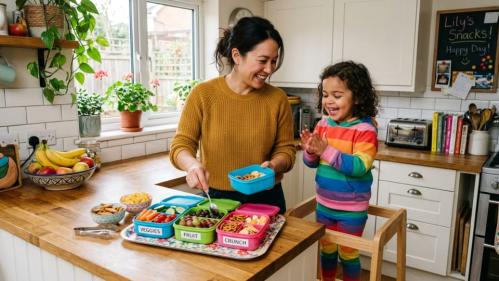
Rather than forcing sharing in heated moments, try setting up situations where cooperation feels natural and fun. Baking biscuits together, where everyone has a job, teaches teamwork. Playing with playdough where you genuinely need to share the tools shows sharing in action.
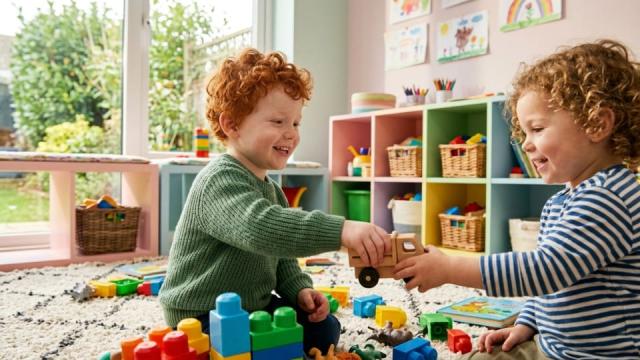
During playdates, you might put out activities that work better when children collaborate—like a large puzzle or building blocks that require two pairs of hands. This way, sharing becomes the obvious solution rather than something imposed from above.
Model kindness in your daily interactions
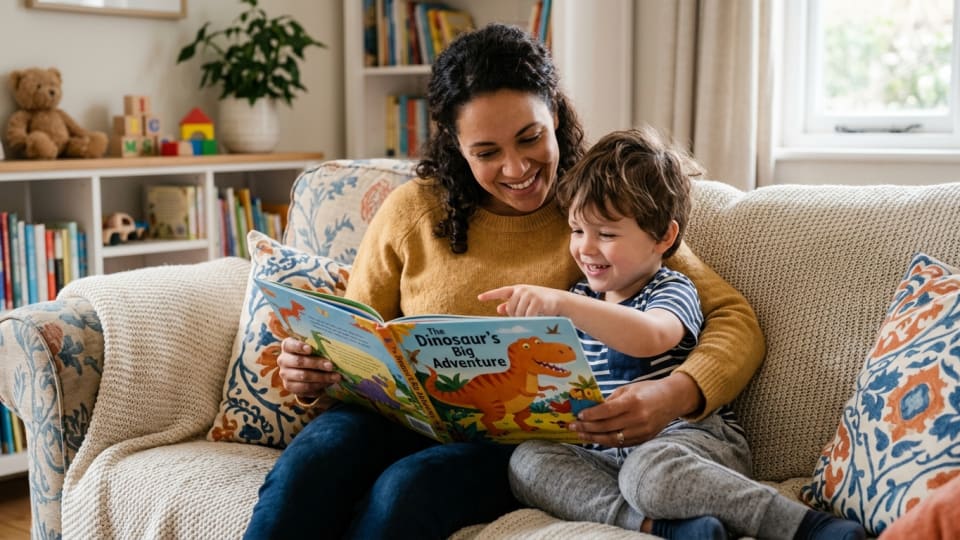
Children are constantly watching how we treat others, from the postman to the cashier at the shop. When you say "thank you" warmly, help someone struggling with shopping bags, or show patience when someone makes a mistake, your little one is taking notes.
You can also narrate your own kind actions: "I'm going to help Granny carry these heavy bags because I can see she's tired" or "I'll share my umbrella with this lady because she's getting soaked."
Handle unkind moments with calm guidance
When your child does something unkind—and they will—resist the urge to shame them or launch into a long explanation about why it was wrong. Instead, try a simple approach: acknowledge what happened, name the feeling, and suggest a better way.
"I saw you push Liam when he wanted the truck. He felt sad. Next time you can say 'I'm still playing with this' and maybe find another toy for him."
If emotions are running high, sometimes the kindest thing for everyone is to step away and try again when everyone's calmer.
Rethink forced sharing
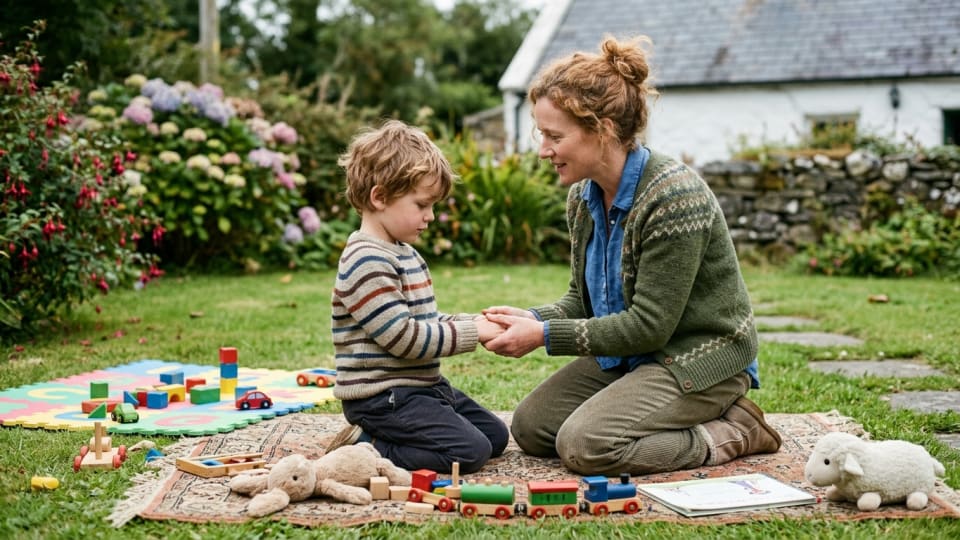
Many parents worry about whether insisting on sharing might backfire, and there's wisdom in this concern. Constantly making children give up toys they're enjoying can actually increase possessiveness rather than reduce it.
Instead, try introducing turn-taking with clear boundaries: "Sarah has the swing for five more pushes, then it's your turn" or using a timer for popular toys. This teaches fairness while respecting both children's needs.
Navigate sibling sharing challenges
Sibling conflicts over toys are particularly tricky because these children live together and can't just go home when things get difficult. Having some toys that don't need to be shared (perhaps kept in each child's room) alongside family toys can help reduce constant battles.
When conflicts do arise, try to avoid automatically siding with the younger child or the one who's crying loudest. Instead, help them problem-solve: "You both want the same toy. What ideas do you have for solving this?"
Celebrate small kindnesses
When you catch your child being kind or sharing naturally, acknowledge it warmly but simply: "You shared your crayons with your sister—that made her smile!" This helps them connect their actions with positive feelings in others.
Remember that learning kindness and sharing is a process that unfolds over years, not weeks. Some days will be better than others, and that's perfectly normal.
By creating opportunities for kindness, modelling empathy in your own interactions, and responding to challenges with patience rather than punishment, you're laying strong foundations for your child's emotional development. Trust that these small, consistent efforts are making a real difference, even when progress feels slow.