If you're finding yourself constantly entertaining your 6 to 12-year-old, you're not alone. Many parents struggle with stepping back from their children's play time, especially when little voices pipe up with "I'm bored!" every few minutes. The good news? Encouraging independent play in big kids isn't just beneficial—it's essential for their development.
Independent play helps children develop crucial life skills like problem-solving, creativity, and self-reliance. Yet many mums feel guilty about not being constantly engaged with their children's activities. Here's how to foster independent play without the worry.
Why independent play matters more as kids get older
As children move beyond the toddler years, their need for independent exploration actually increases. While younger children require more supervision for safety, school-age kids benefit enormously from unstructured time to discover their own interests and capabilities.
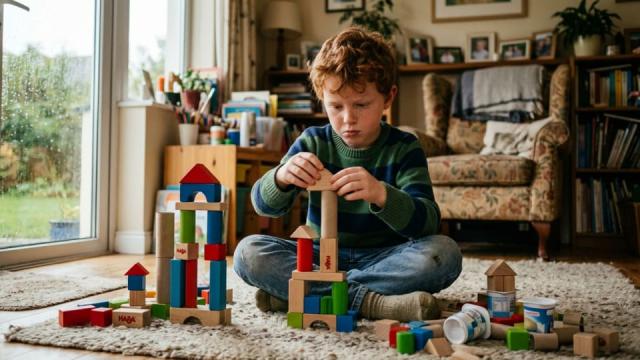
Independent play allows children to process their experiences, work through emotions, and develop their own unique interests. It's during these quiet moments that many children discover passions that will stay with them for life—whether that's drawing, building, storytelling, or inventing games.
Children who engage in regular independent play often show better concentration skills in school and greater confidence when facing new challenges.
Creating inviting play spaces in your home
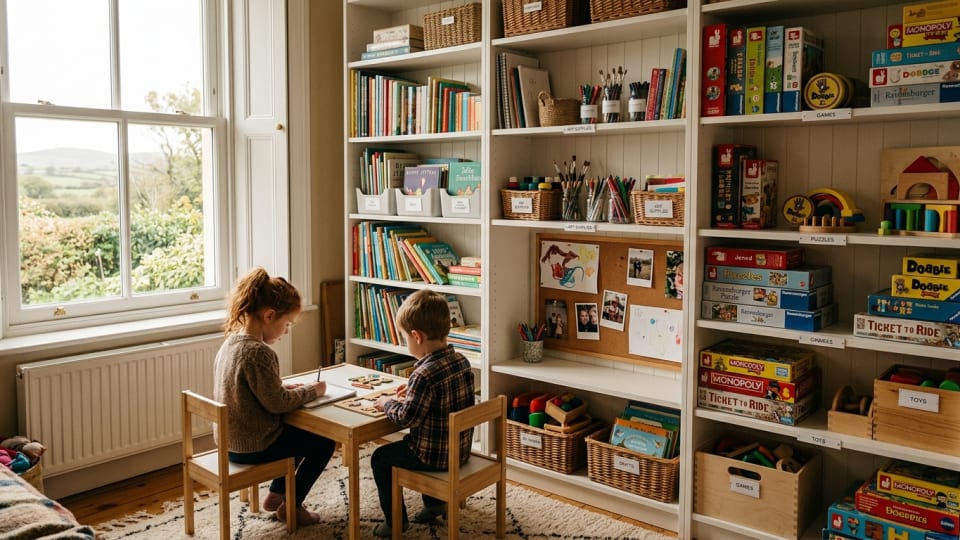
You don't need a dedicated playroom to encourage independent play. A well-organised corner of the sitting room or even a section of your child's bedroom can work wonderfully. The key is making materials easily accessible and inviting.
Consider setting up different zones: a reading nook with cushions and good lighting, an art station with paper and drawing materials, and a building area with blocks or construction toys. Rotate toys and activities weekly to maintain interest and prevent overwhelm.
Storage is crucial in homes where space might be limited. Clear containers or baskets help children see what's available and make tidying up simpler. Label containers with both words and pictures for younger independent players.
Age-appropriate activities that work
Six to eight-year-olds often enjoy activities they can complete in shorter bursts: colouring books, simple puzzles, dress-up clothes, or building with smaller construction sets. They're developing fine motor skills and can handle more detailed tasks than their younger siblings.
Nine to twelve-year-olds can tackle longer projects: model making, more complex puzzles, craft kits, or even starting a journal. This age group often enjoys activities that feel "grown-up" and purposeful.
Consider your child's interests when selecting materials. A child fascinated by nature might enjoy a magnifying glass and collection containers, while a budding artist might prefer a variety of drawing and painting supplies.

Managing screen time versus imaginative play
Screen time often becomes the default when children say they're bored, but setting gentle boundaries can encourage more creative independent play. Consider establishing "unplugged hours" during the day when screens aren't available.
If your child initially resists non-screen activities, that's perfectly normal. Start with shorter periods and gradually increase the time. You might begin with 30 minutes of independent play before allowing screen time.
Remember that some educational screen time can also be valuable—coding games, educational apps, or even carefully chosen YouTube tutorials can spark interests that extend into hands-on activities.
Knowing when to step in and when to step back
The hardest part for many parents is resisting the urge to constantly help or direct their child's play. If your child is safe and engaged, try to let them work through challenges independently, even if their approach seems inefficient.
Intervene when safety is a concern, when a child is genuinely frustrated beyond their coping ability, or when siblings need help resolving conflicts. Otherwise, trust that your child is learning valuable skills through trial and error.
If your child frequently interrupts your tasks asking for help with non-urgent matters, you might establish a "unless it's an emergency" rule during independent play time.
Dealing with "I'm bored" without guilt
When children say they're bored, resist the urge to immediately provide entertainment. Instead, acknowledge their feeling: "It sounds like you're looking for something to do." Then guide them towards making their own choices about activities.
Keep a "boredom buster" list posted where your child can see it—activities they've enjoyed before that they can choose from independently. This takes the decision-making burden off you while giving them agency.
Remember that experiencing boredom occasionally is actually beneficial for children. It's often the precursor to creativity and can motivate them to discover new interests.
Encouraging independent play in big kids isn't about being less involved as a parent—it's about being involved in a different, equally important way. By creating the right environment and stepping back gradually, you're giving your child tools they'll use throughout their life. Trust yourself, trust your child, and remember that those quiet moments of independent play are helping them grow into confident, capable individuals.